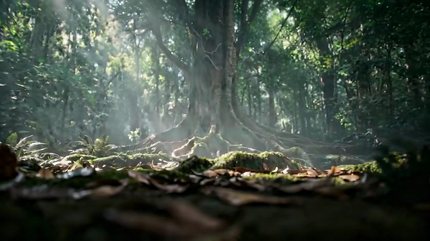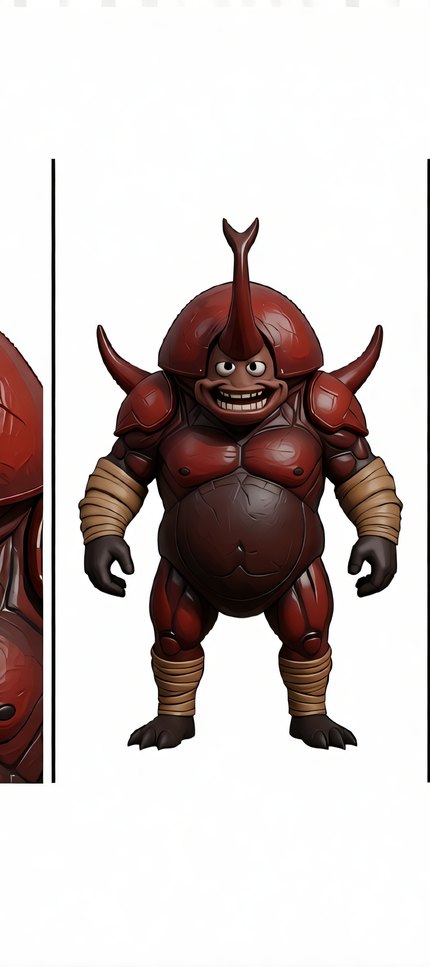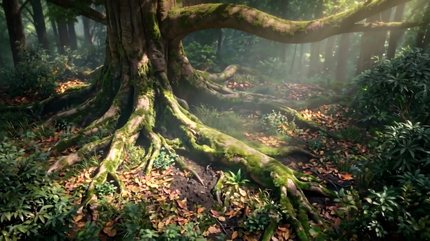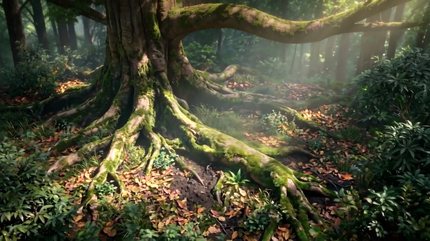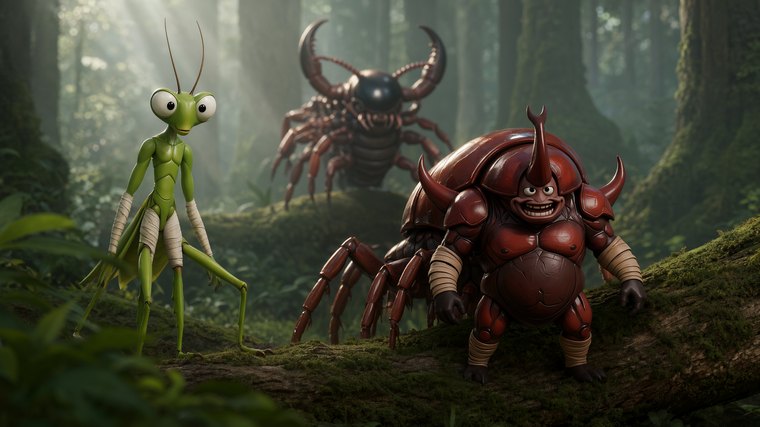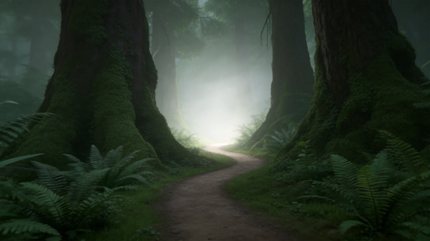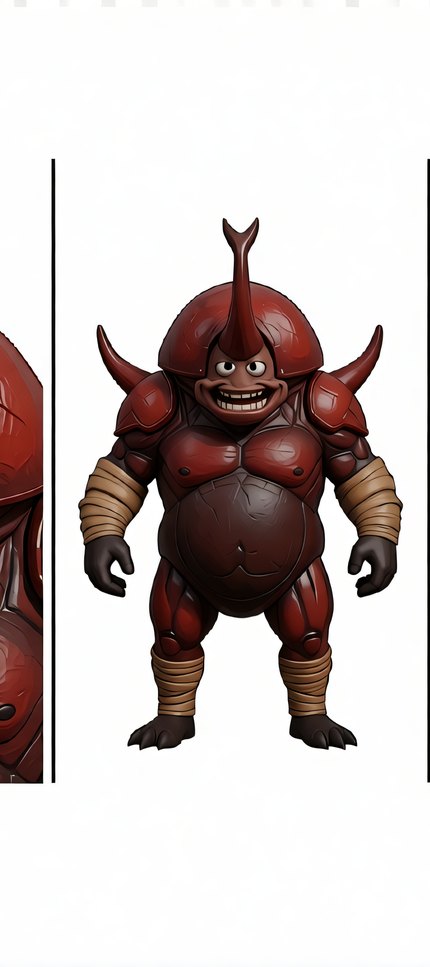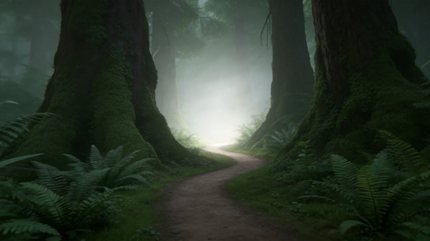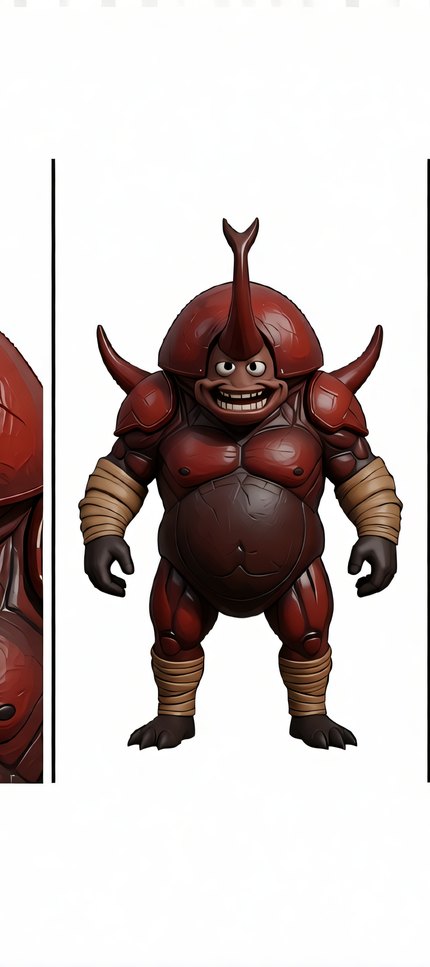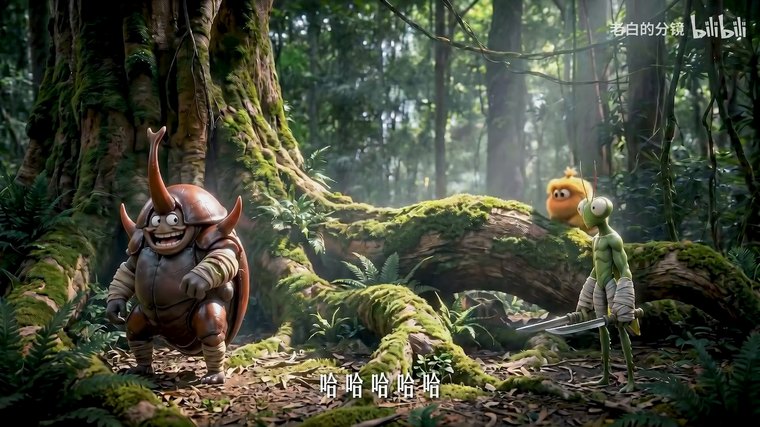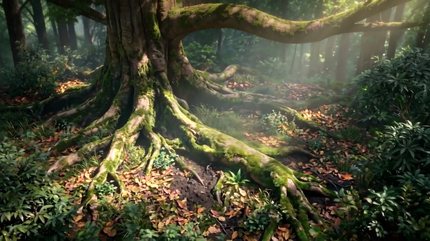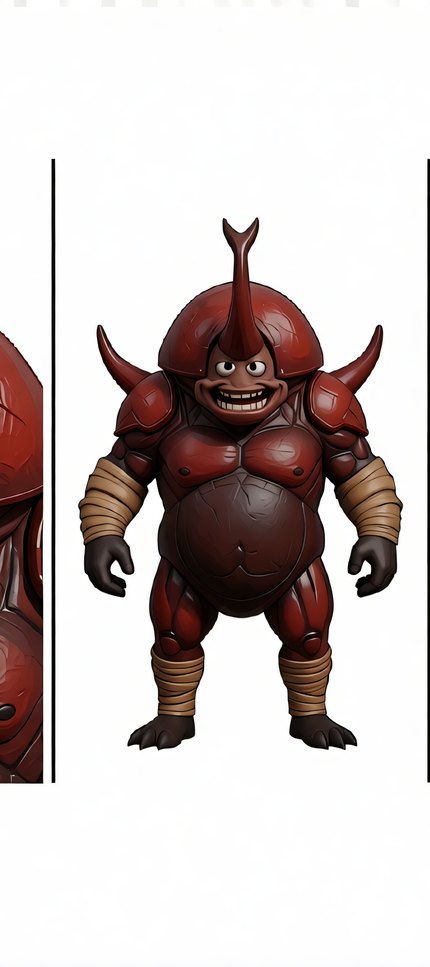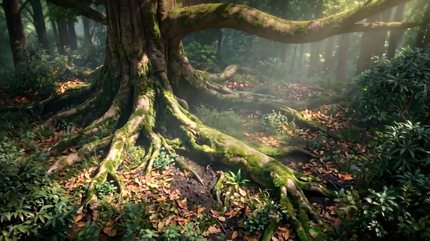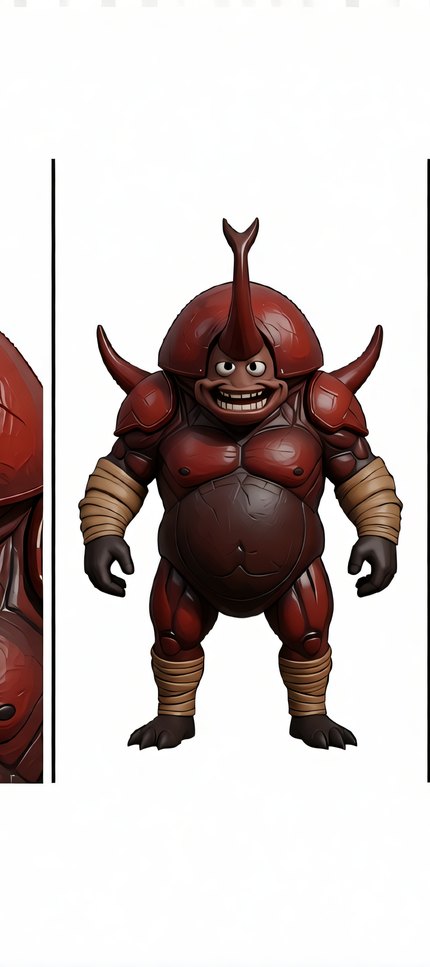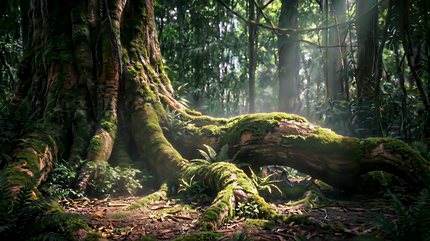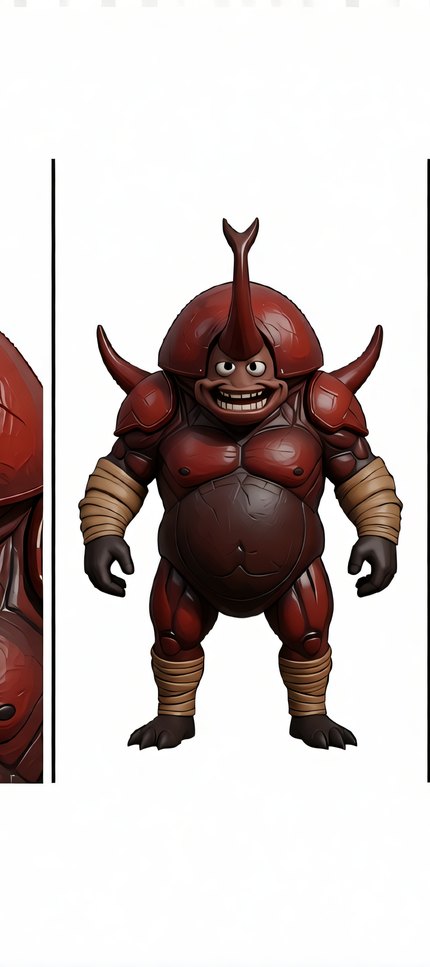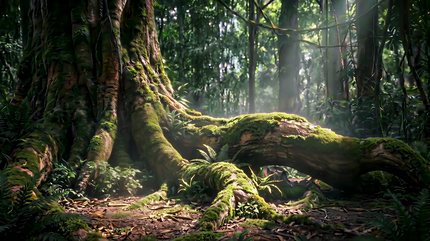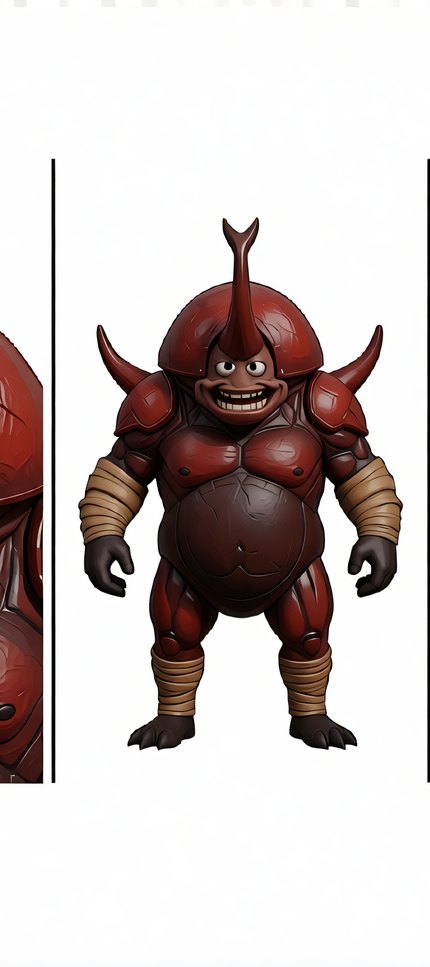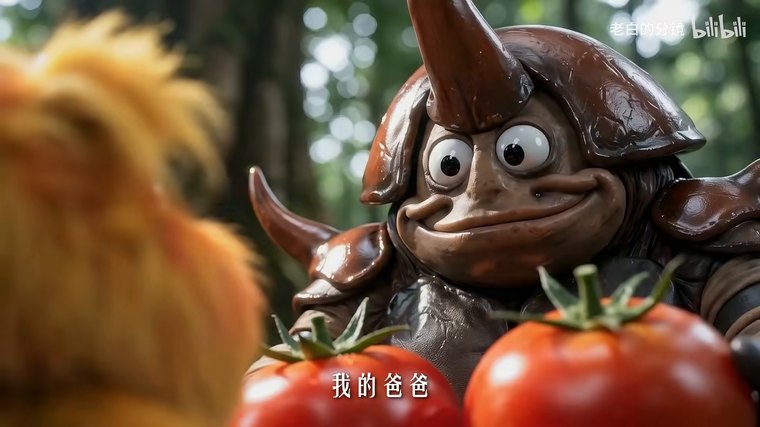
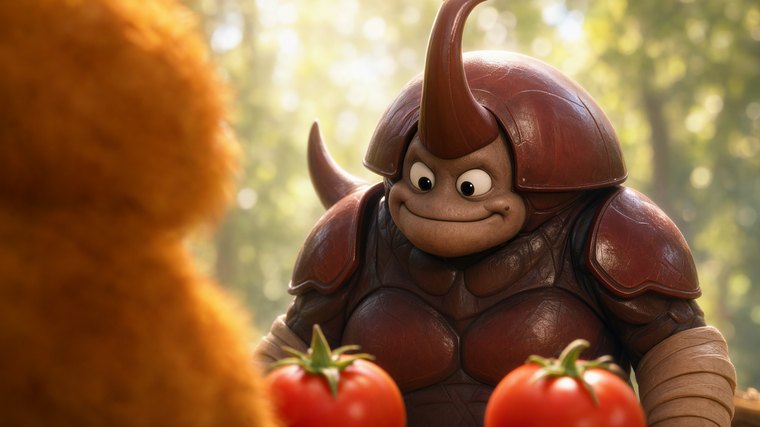


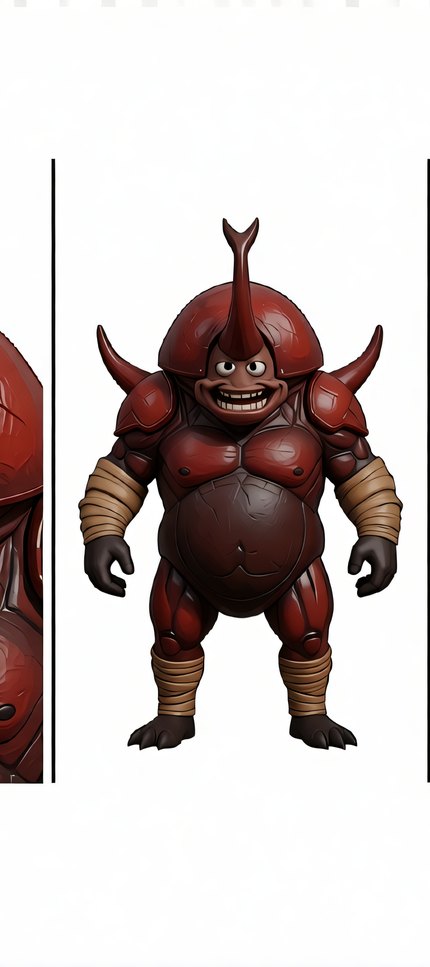
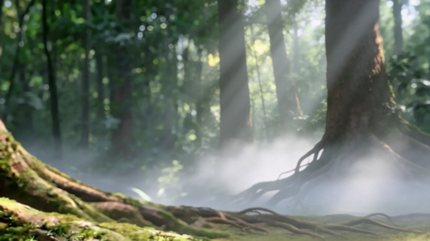
<image 1> is the LOCATION: keep its forest environment, palette and light mood; do not copy its exact framing — recompose as described below. <image 2> shows the rhino beetle warrior (glossy reddish-brown armored shell, large double-pronged curved horn on head, beige bandage wraps on forearms, big expressive eyes): the character in <image 2> MUST appear as exactly this same character — same face, same colors, same proportions. This reference provides identity only; do NOT copy its pose, turnaround-sheet layout, gray background or lighting. Over-the-shoulder medium close-up, camera at the blurred foreground companion's shoulder height, eye-level with the beetle's face, shallow depth of field. Set in a sunlit forest clearing. The rhino beetle's head and upper torso fill the right two-thirds of frame (face center around the upper-right third intersection, about 40% of frame area). A heavily defocused orange-brown furry companion occupies the left edge (0-25% width, full height, about 15-20% area). Two red tomatoes sit along the bottom: one bottom center-left (x 33-57%), one bottom right (x 60-92%), both partially occluding the beetle's lower torso. The rhino beetle warrior: Facing camera, body angled slightly toward the foreground companion on screen-left. Head nearly upright with a slight downward tilt, chin tucked about 5-10 degrees; gaze directed down-left toward the tomatoes and companion. Mouth CLOSED in a wide asymmetric grin with a pronounced underbite, the lower lip ridge visible, no teeth showing; a small dark mole-dot sits above the right mouth corner. Expression warm, proud and affectionate. Big white cartoon eyes, heavy-lidded, dark pupils low under the lids. Shoulders slightly hunched forward, arms mostly out of frame below. Glossy dark chocolate-brown chitin helmet with a large curved cephalic horn arcing up and back; layered shoulder pauldrons with one prominent curved spike on the screen-left shoulder; segment lines and wet-look speculars across the shell. Grayish-brown bumpy face texture with folds around mouth and brow. Antennae not visible (unclear). Three foreground layers: a strongly defocused orange-amber furry mass along the left edge full height (the companion's shoulder/head from behind); tomato one, vivid red with a green star-shaped calyx, bottom center-left, moderately defocused; tomato two, red with green calyx, bottom right, slightly defocused. Both tomatoes partially occlude the beetle's lower torso and right arm. Sunlit forest clearing fully dissolved into creamy circular bokeh, warm white and yellow-green spots concentrated in the upper half around the head; no readable structures. Lighting: Soft dappled daylight from the upper front-left. Strong wet-look speculars on horn and shell; a bright warm-white rim light runs along the horn's top edge, the helmet rim and the pauldron tops, separating the character from the background. Soft occlusion shadows under brow and mouth; no hard cast shadows. Background backlit with bright sky spots. The overall composition keeps this palette: warm chocolate and russet browns on the character, vivid tomato reds, orange-amber foreground fur, mid-saturation greens and cream bokeh behind; high-saturation warm filmic grade. 3D animation film still, Pixar-level rendering, cinematic shallow depth of field. No readable text anywhere in the frame.
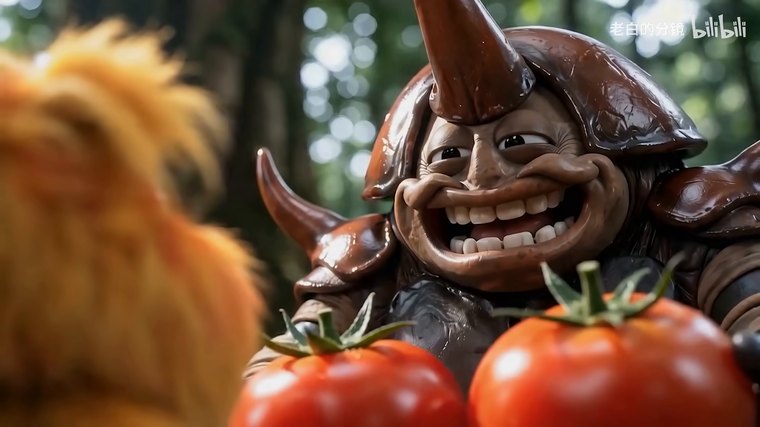
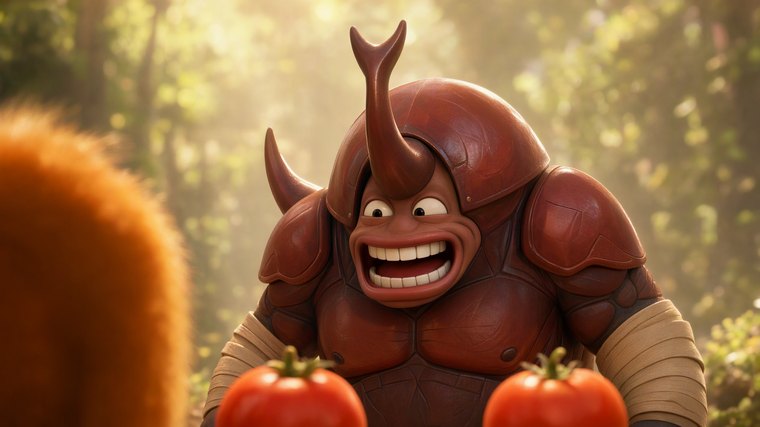
<image 1> is the LOCATION: keep its forest environment, palette and light mood; do not copy its exact framing — recompose as described below. <image 2> shows the rhino beetle warrior (glossy reddish-brown armored shell, large double-pronged curved horn on head, beige bandage wraps on forearms, big expressive eyes): the character in <image 2> MUST appear as exactly this same character — same face, same colors, same proportions. This reference provides identity only; do NOT copy its pose, turnaround-sheet layout, gray background or lighting. Same over-the-shoulder medium close-up, identical camera height and framing as the shot's first frame. Set in a sunlit forest clearing. TERMINAL STATE of the same shot: identical framing, foreground and lighting — only the character states differ as specified below. Identical composition to the first frame: beetle head and upper torso fill the right two-thirds, defocused companion on the left edge, two tomatoes along the bottom partially occluding the beetle's lower torso. The rhino beetle warrior: TERMINAL STATE - same pose base as the first frame (facing camera, angled toward the companion, shoulders slightly raised) but now LAUGHING: mouth wide open in a hearty laugh, jaw dropped roughly 40-50% open, lips retracted showing two full rows of large blocky white teeth, square-rounded and evenly spaced, dark red mouth interior visible, thick lower lip everted. Cheeks pushed up so the big white eyes squeeze into happy crescents with pupils tucked under the drooping lids. Head stays angled slightly down, chin lifted a touch by the open jaw, gaze still down-left. Same glossy chocolate-brown helmet, curved horn, layered pauldrons with the screen-left spike, wet-look speculars. Unchanged from the first frame: defocused orange-amber furry mass on the left edge, red tomato with green calyx bottom center-left, second tomato bottom right, both partially occluding the beetle's lower torso. Unchanged: sunlit clearing dissolved into creamy warm bokeh concentrated in the upper half. Lighting: Unchanged: soft dappled daylight from upper front-left, warm-white rim light on horn top, helmet rim and pauldron tops, soft occlusion shadows, no hard cast shadows. The overall composition keeps this palette: unchanged: warm browns, tomato reds, orange-amber fur, green and cream bokeh; high-saturation warm filmic grade. 3D animation film still, Pixar-level rendering, cinematic shallow depth of field. No readable text anywhere in the frame.


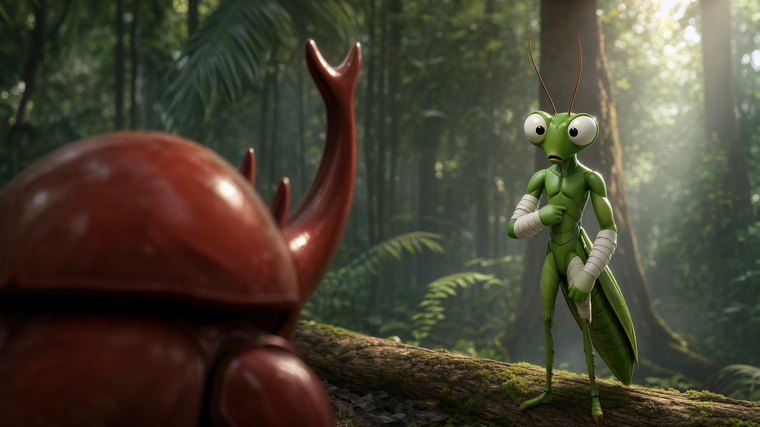
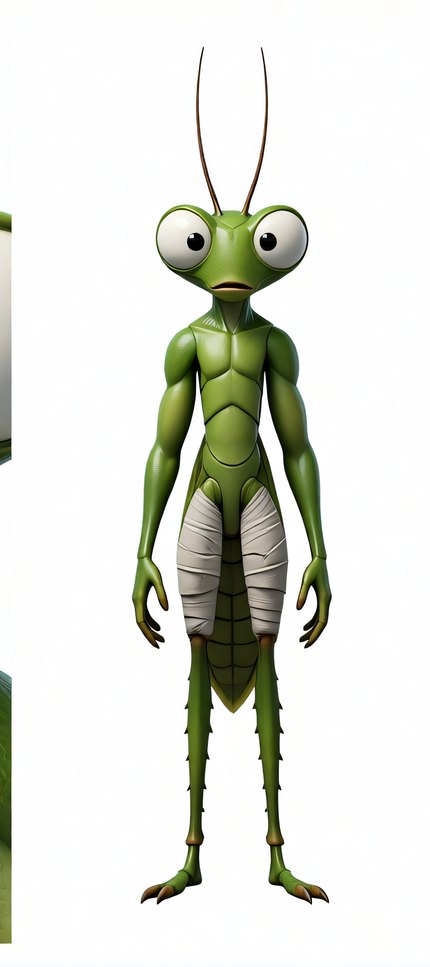
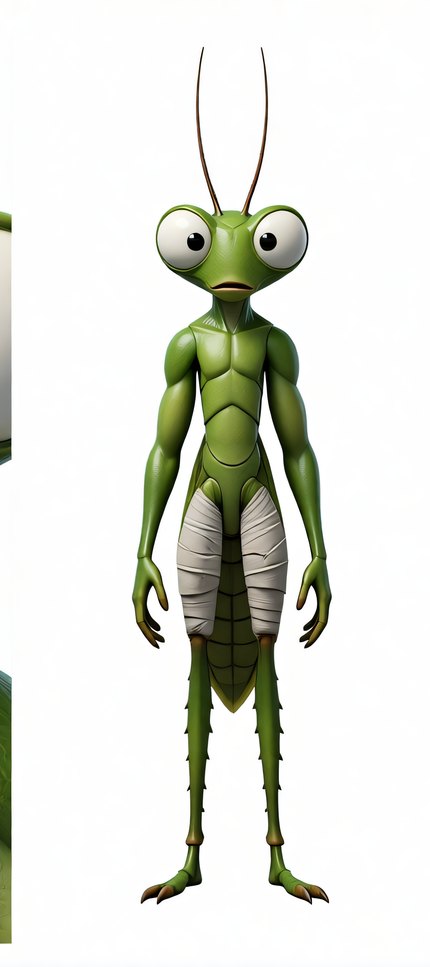
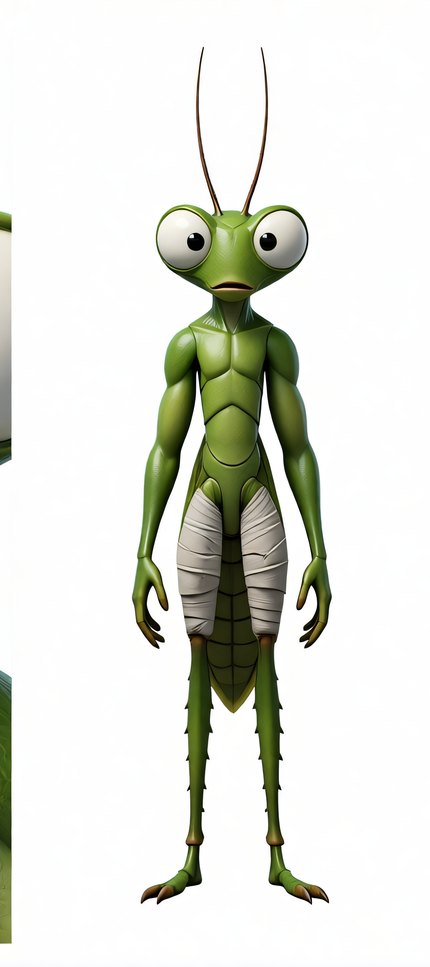
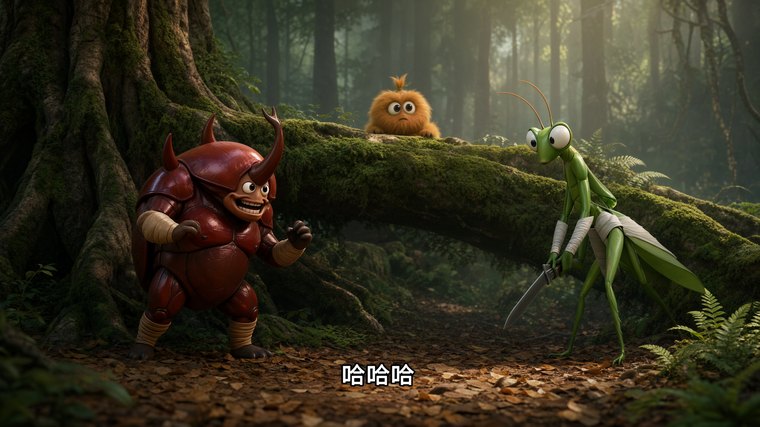
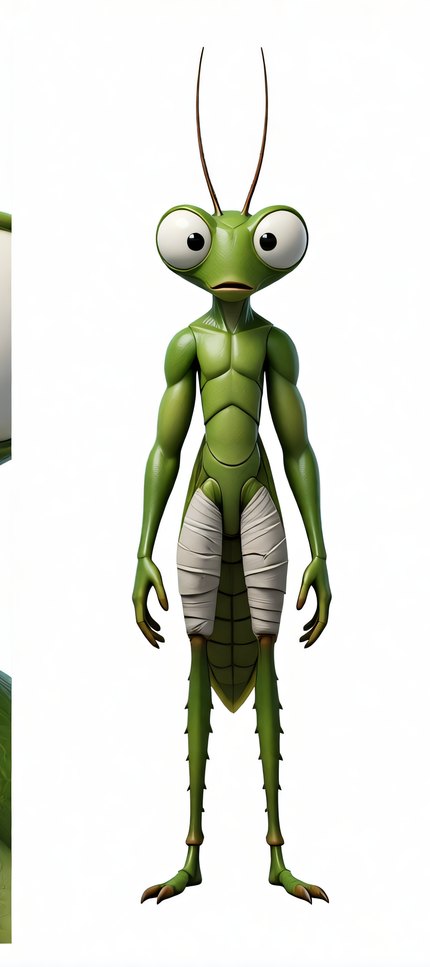
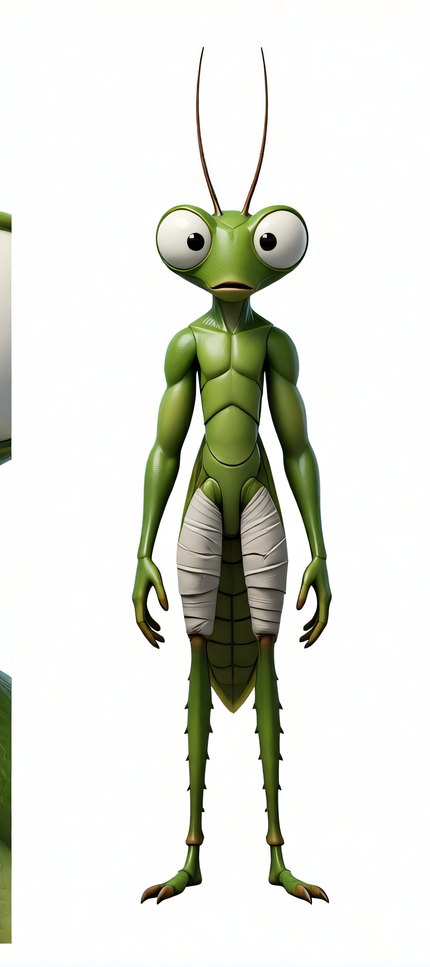
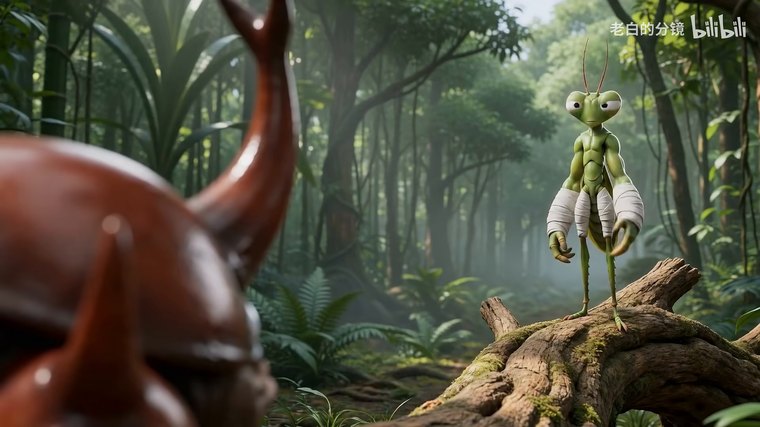
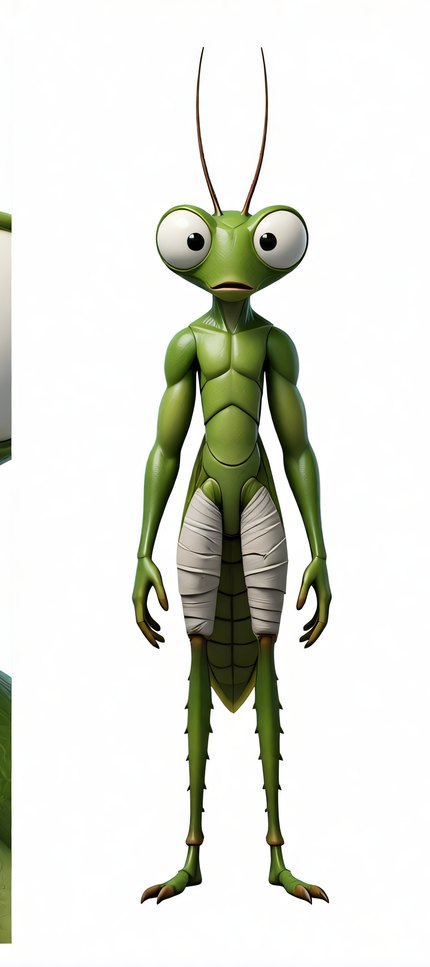
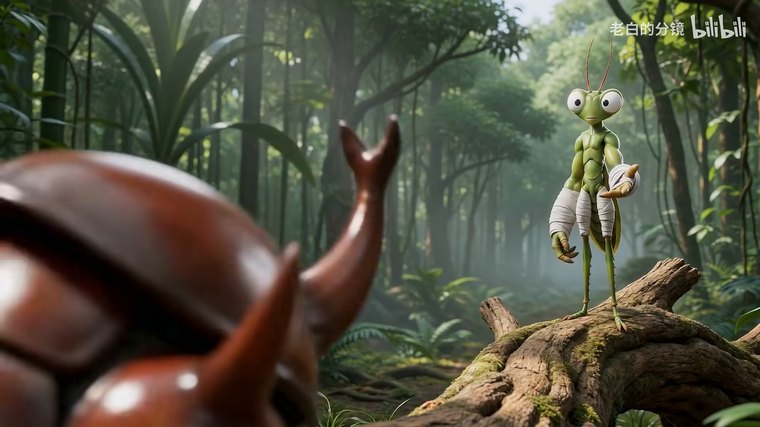
<image 1> is the LOCATION: keep its forest environment, palette and light mood; do not copy its exact framing — recompose as described below. <image 2> shows the rhino beetle warrior (glossy reddish-brown armored shell, large double-pronged curved horn on head, beige bandage wraps on forearms, big expressive eyes): the character in <image 2> MUST appear as exactly this same character — same face, same colors, same proportions. This reference provides identity only; do NOT copy its pose, turnaround-sheet layout, gray background or lighting. <image 3> shows the green praying mantis warrior (slender green body, thin insect limbs, white bandage wraps on forearms, large white compound eyes, orange antennae): the character in <image 3> MUST appear as exactly this same character — same face, same colors, same proportions. This reference provides identity only; do NOT copy its pose, turnaround-sheet layout, gray background or lighting. Medium-full shot (~3/4 body) of the green mantis warrior, composed as an over-the-shoulder (OTS) reverse from directly behind the beetle warrior's head; camera sits at roughly the mantis chest/waist height, near eye-level to the standing mantis with virtually no tilt; widescreen; shallow depth of field with the OTS foreground head heavily defocused while the mantis is sharp. Set in a misty primeval forest. Beetle's out-of-focus head and horn occupy the left ~35-40% of frame width, running nearly full height, its horn crossing the upper-left-center at x~30-35%. The mantis stands on a mossy fallen log at the right-third vertical line: head near the upper-right thirds intersection (~78% x, ~25% y), feet at ~72% frame height; mantis body ~8-10% of frame area, beetle blob ~20-25%. The log runs diagonally from bottom-center toward the right edge at mid-lower height (~10-12% of frame). Background trunks and mist fill center and right; a bright bokeh canopy gap sits upper-right; a small sits in the extreme top-right corner. The rhino beetle warrior: Seen only as the OTS foreground mass: the back of a glossy mahogany/chestnut head at lower-left with a large curved rhinoceros-type horn rising vertically near center-left, curving up-and-right with a forked/tined tip reaching roughly the upper-third line; small pointed secondary prongs near the horn base. Surface shows smooth hard chitin with soft specular sheen. Face, eyes, mouth, forelimbs and antennae not visible in frame; identity and exact pose otherwise unclear. ~70-80% of its form dissolved by defocus; it occludes the left portion of the jungle background. The green praying mantis warrior: Facing the camera frontally with a slight three-quarter bias; head level, tilted down-and-toward-camera-left only ~5-10 degrees. Both big round eyes directed toward camera-left, at the blurred beetle. Mouth a thin dark closed-to-barely-set line, ~0-10% open, no teeth visible. Expression wary and cautious: half-lidded heavy upper eyelids over wide eyes with raised brow ridges. Right forelimb (screen-left) bent at chest height, forearm folded upward, white bandage wrapping from mid-forearm to claw; left forelimb (screen-right) folded lower with the claw near the hip, also bandaged; the leaf-like rear abdomen extends down-right behind the legs and is itself wrapped in white bandage. Natural segmented green exoskeleton with muscular chest plates and leaf-shaped tegmina down the back. Two thin dark-red antennae rise near vertical from the triangular head, splayed slightly apart with tips curving gently backward. No significant occlusion; a small soft contact shadow sits under the feet on the log. Beetle head-and-horn blob, reddish-brown/chestnut with glossy highlights, ~20-25% of frame area, strongly defocused, occupying the left ~35% and occluding left background trees. The mossy gray-brown fallen log runs diagonally bottom-center to right edge, in focus near the mantis, blurred toward the bottom-left foreground, occluding ground litter; a few dark blurred leaves sit at the lower-left edge. Dense jungle: slender dark tree trunks with one larger trunk right of center, fan-like palm fronds upper-left, ferns at midground left, vines and canopy foliage across the top; an atmospheric mist band separates midground from deep background; smooth circular bokeh glows through the canopy at upper-right; subtle volumetric shafts; shallow DOF renders everything beyond the mantis softly defocused. Lighting: Natural dappled daylight filtered through the canopy, direction upper-right-and-behind the scene (soft backlight/side-backlight); overall soft and diffuse with a few directional shafts and hot canopy gaps. A crisp rim light runs along the mantis's screen-right edge of head, torso and arms, with a fainter rim on its left; the OTS beetle mass stays in shade with only specular sheen; a small dappled shadow falls from the mantis's feet onto the log. The overall composition keeps this palette: dominant desaturated sage/moss/fern greens with teal-gray mist; accents of chestnut-mahogany red-brown (beetle shell), yellow-green (mantis body), off-white (bandages), warm light-green in sunlit foliage, and brown-gray weathered log wood. 3D animation film still, Pixar-level rendering, cinematic shallow depth of field. No readable text anywhere in the frame.


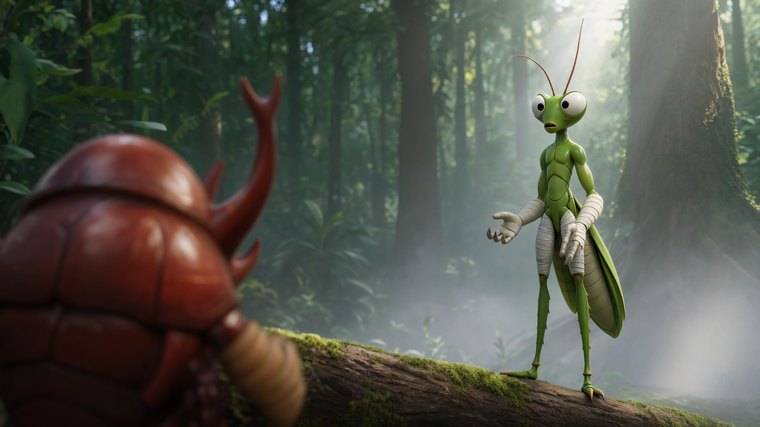
<image 1> is the LOCATION: keep its forest environment, palette and light mood; do not copy its exact framing — recompose as described below. <image 2> shows the rhino beetle warrior (glossy reddish-brown armored shell, large double-pronged curved horn on head, beige bandage wraps on forearms, big expressive eyes): the character in <image 2> MUST appear as exactly this same character — same face, same colors, same proportions. This reference provides identity only; do NOT copy its pose, turnaround-sheet layout, gray background or lighting. <image 3> shows the green praying mantis warrior (slender green body, thin insect limbs, white bandage wraps on forearms, large white compound eyes, orange antennae): the character in <image 3> MUST appear as exactly this same character — same face, same colors, same proportions. This reference provides identity only; do NOT copy its pose, turnaround-sheet layout, gray background or lighting. Same OTS medium-full setup as the first frame: camera behind the beetle's blurred head at left, mantis full-body on the log at the right third; camera height at the mantis chest level, near eye-level with a hint of low angle; shallow DOF unchanged. Set in a misty primeval forest. TERMINAL STATE of the same shot: identical framing, foreground and lighting — only the character states differ as specified below. Shared baseline with the first frame: blurred beetle head+horn left ~35-40% with forked horn tip near mid-frame height; mantis standing on the diagonal mossy log at the right-third line, head near the upper-right thirds intersection, feet ~72% height; jungle depth layers center/right with bright misty gap upper-right; negative space between horn and mantis carries the composition. Log diagonal bottom-right toward center; no new elements introduced. The rhino beetle warrior: Unchanged OTS foreground mass: back of the glossy chestnut head lower-left, large curved horn with forked tip rising to near mid-frame height, secondary prongs at base, heavy defocus; face and limbs not visible; occludes left jungle background. Any head/horn movement relative to first frame unclear (within blur tolerance). The green praying mantis warrior: Baseline (unchanged from first frame): facing camera in a slight three-quarter toward camera-left, standing bipedal on the log, slender segmented green body with leaf-like tegmina and cream underside segments, white bandages on both forearms and hands with wrap lines visible, long thin reddish-pink antennae sweeping upward-outward with curled tips, gaze directed camera-left at the beetle, head upright. Updated state: head upright (the ~5-10 degree down-left tilt is gone); mouth now slightly parted, roughly 10-20% open, no teeth visible, a small dark opening rather than a flat line; expression shifted from wary to earnest/pleading, wide attentive eyes. Left forelimb (screen-right) extended forward-and-down with an open bandaged hand, palm up, fingers slightly curled in an explanatory/talking gesture; right forelimb (screen-left) bent at the elbow with the bandaged hand relaxed near the hip, claws pointing down. Fingertip exposure beyond the bandage unclear. Feet planted roughly shoulder-width on the log; log occludes the feet bottoms; no other occlusion. Same foreground set as the matching first-frame value: defocused beetle head/horn occupying left ~35-40% (~20-25% area), glossy chestnut with soft speculars; mossy log diagonal in focus near the mantis; blurred dark leaves lower-left. Shared baseline: dense jungle with tall trunks, vines, ferns, banana-like broad leaves upper-left; misty depth layers; bright god-ray-like glow in the upper-right canopy gap; smooth defocus overall; no visible composition change from the first frame. Lighting: Shared baseline: soft diffuse daylight from upper-right-behind, atmospheric mist; rim light on the mantis's screen-right edges and a bright backlight area upper-right; OTS beetle in shade with specular sheen; small contact shadows under the mantis's feet. The overall composition keeps this palette: shared baseline: desaturated jungle greens and gray-green mist dominant; chestnut red-brown beetle shell, bright mantis green, off-white bandages, warm earth tones; cinematic teal-green with warm brown contrast. 3D animation film still, Pixar-level rendering, cinematic shallow depth of field. No readable text anywhere in the frame.


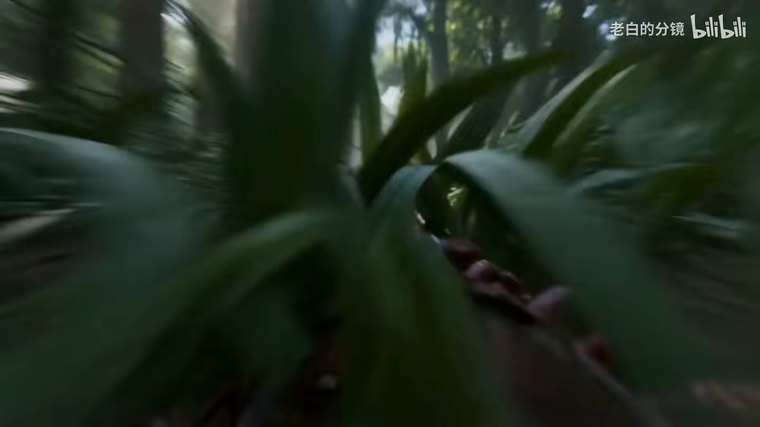
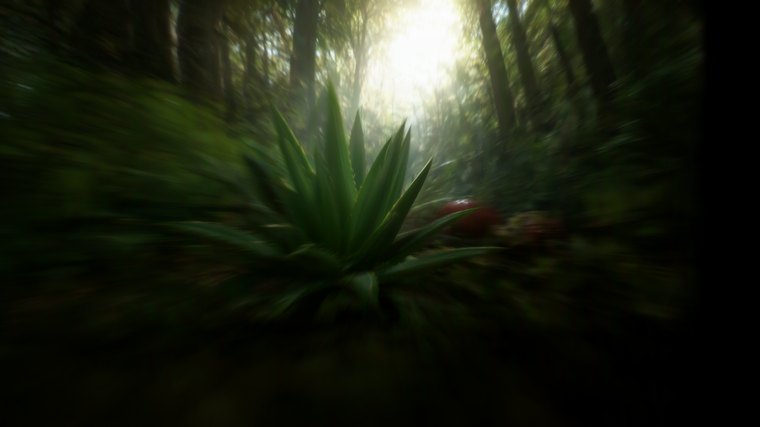
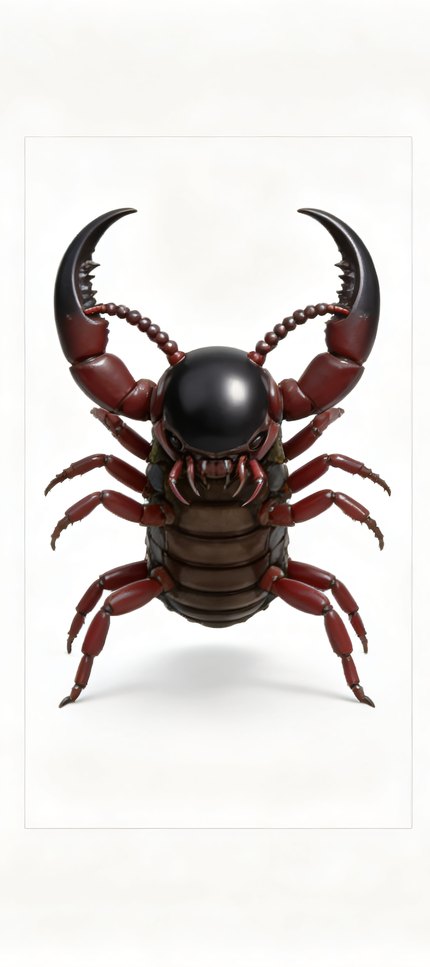
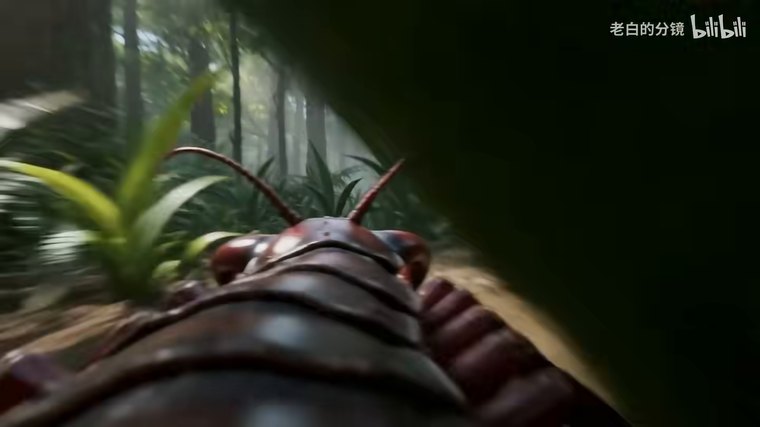
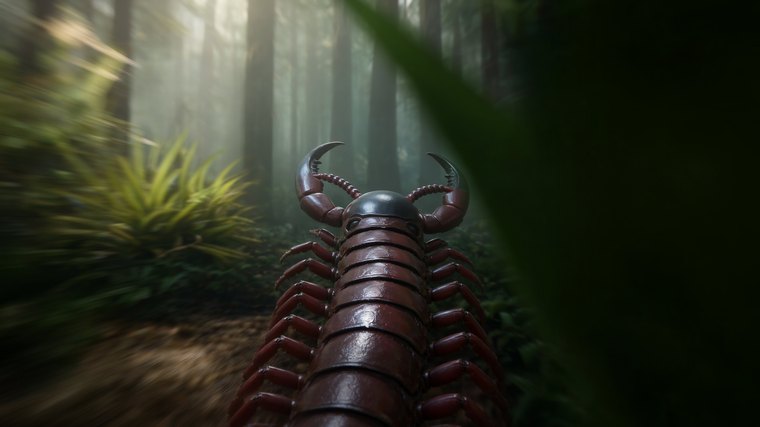
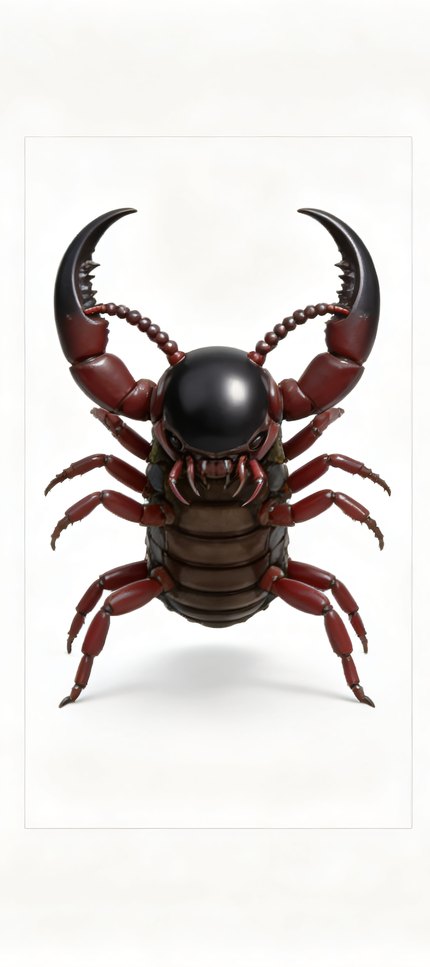
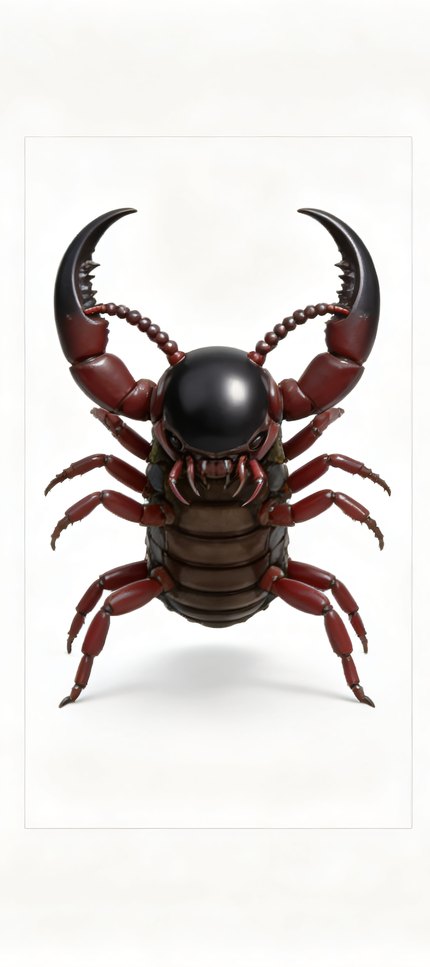
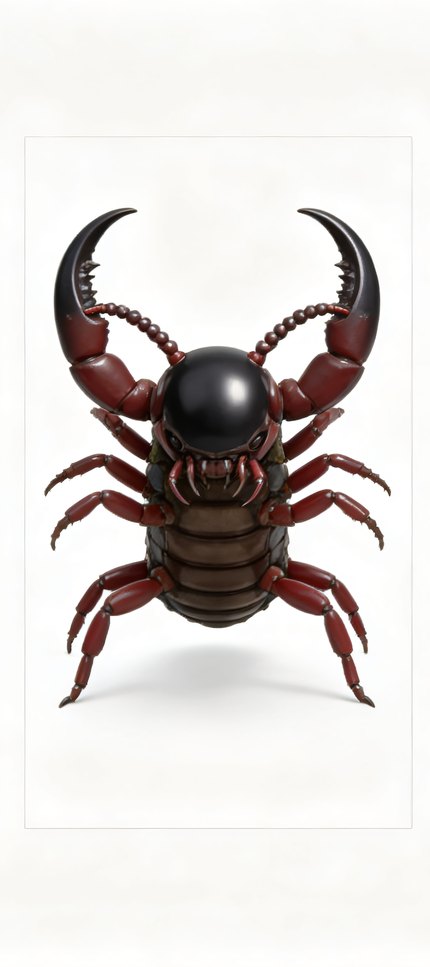
<image 1> is the LOCATION: keep its forest environment, palette and light mood; do not copy its exact framing — recompose as described below. <image 2> shows the giant red-brown centipede monster (long segmented body with glossy armor plates, red antennae, many spiny legs, huge body far larger than the warriors): the character in <image 2> MUST appear as exactly this same character — same face, same colors, same proportions. This reference provides identity only; do NOT copy its pose, turnaround-sheet layout, gray background or lighting. Extreme motion-blur fly-through POV: the camera flies forward at undergrowth level, crashing through foliage, with a slight upward tilt toward the bright canopy gap; no over-the-shoulder relationship; heavy directional (forward+lateral) motion smear is the defining trait; no subject is in clean focus. Set in a dark primeval forest floor. A central agave/aloe-like rosette of pointed sword leaves sits dead center at ~45-50% horizontal, 40-50% vertical, spanning the center-left vertical third, ~50-60% of frame area. The left third is filled by heavily smeared dark-green foliage streaks (~20-25%). A top band (~15%) holds blurred trunks/canopy with a bright overexposed gap at ~45-55% horizontal, 5-20% vertical (upper-center). A small glossy reddish-brown rounded shape (~3-5% of frame) hides center-right mid-lower at ~55-70% horizontal, 55-80% vertical, ~70-80% occluded by leaves. A near-black vertical shadow band/vignette runs the last 8-10% at the far right edge; dark blurred undergrowth occupies the bottom ~10%. Central rosette plant: long sword-shaped tapering leaves radiating from a core, mid-green (~#4a6b35) to deep green, lighter edge highlights near the light gap; moderate blur at the core worsening to severe smear at leaf tips; occludes the reddish-brown shape and the whole midground. Left leaf mass: very large dark-green horizontally streaked slab carrying the strongest motion blur in frame, occluding the entire left background. Bottom-left near-silhouette blurred foliage occludes ground detail. Dense jungle: vertical dark brown-green trunks and layered canopy, brightest in the upper-center gap where daylight floods through; depth of field shallow with everything beyond ~1-2 m smeared; no distinct circular bokeh, blur is directional greenish-white motion streaking strongest in the gap; a hazy bright glow in the gap suggests light shafts/haze through the canopy, partially blown out. Lighting: Natural daylight positioned behind and above the subject, upper-center-back direction (backlight through the canopy); soft and diffuse overall with a hot near-overexposed core in the gap; foreground leaves read as backlit silhouettes; faint rim glow along leaf edges facing the gap; shadows fall toward the camera/bottom of frame into the dark undergrowth band and right-edge vignette. The overall composition keeps this palette: dominant deep and desaturated greens plus near-black shadow greens; accents of pale yellow-green-white in the blown canopy gap, dark brown-green trunks, and a small chestnut red-brown accent from the hidden creature. 3D animation film still, Pixar-level rendering, cinematic shallow depth of field. No readable text anywhere in the frame.


<image 1> is the LOCATION: keep its forest environment, palette and light mood; do not copy its exact framing — recompose as described below. <image 2> shows the giant red-brown centipede monster (long segmented body with glossy armor plates, red antennae, many spiny legs, huge body far larger than the warriors): the character in <image 2> MUST appear as exactly this same character — same face, same colors, same proportions. This reference provides identity only; do NOT copy its pose, turnaround-sheet layout, gray background or lighting. Low ground-level rear/dorsal three-quarter tracking shot just above the giant centipede's back, looking forward and slightly down along its body with an upward tilt to the trees; no OTS; the creature is now sharp while the frame periphery keeps motion smear on the left (a settling whip/tracking move); subject fills the lower half in close-up scale. Set in a dark primeval forest floor. TERMINAL STATE of the same shot: identical framing, foreground and lighting — only the character states differ as specified below. Shared scene with the first frame (same jungle interior, camera has caught up). Centipede body occupies bottom-center-left: head capsule centered ~39-40% horizontal with head top at ~52% vertical, trunk spanning ~9-65% width and ~48% vertical down past the bottom edge, total ~30-35% of frame area; the antennae make a V framing the misty gap (left tip ~22%/34%, right tip ~51%/37%); a row of legs runs along the right flank x~55-68%, y~65-100%. A dark green defocused leaf blade dominates the upper-right: covering the right third plus top-center-right, ~30-35% of frame, its edge running from ~(31%,0) diagonally down to ~(78%,100%). A bright cream blur patch sits upper-left (x 0-18%, y 17-37%). A yellow-green motion-smeared spiky plant holds the left mid-ground at x 9-27%, y 30-70%. Vertical hazy trunks stand between x 16-47%; tan blurred forest floor occupies the lower-left under the creature. top-right corner. Dark forest-green leaf blade, near-silhouette, heavily defocused, upper-right quadrant (~30-35% area), occluding the right-side background trees and framing the centipede from above-right. A bright cream/tan blur of streaked branch highlights upper-left, motion-smeared. Tall straight gray-brown trunks recede into morning mist; volumetric god rays lean in from upper-left; the yellow-green spiky agave/bromeliad-like plant at mid-left carries radiating motion streaks; depth of field shallow-moderate; blur is a mix of directional pan streaks (left) and defocus (right leaf); no distinct circular bokeh. Lighting: Morning daylight from upper-left through the canopy, soft and diffused with visible shafts in the mist; rim light traces the antennae and the top of the head capsule; speculars on the shell top are cool white-blue from sky with a warm cream bounce; shadows soft; ground contact shadow under the body unclear in the dark undergrowth. The overall composition keeps this palette: dominant dark forest greens and gray-green mist; accents of maroon/chocolate shell with black seams, yellow-green spiky plant, pale cream light streaks, and blue-white speculars. 3D animation film still, Pixar-level rendering, cinematic shallow depth of field. No readable text anywhere in the frame.


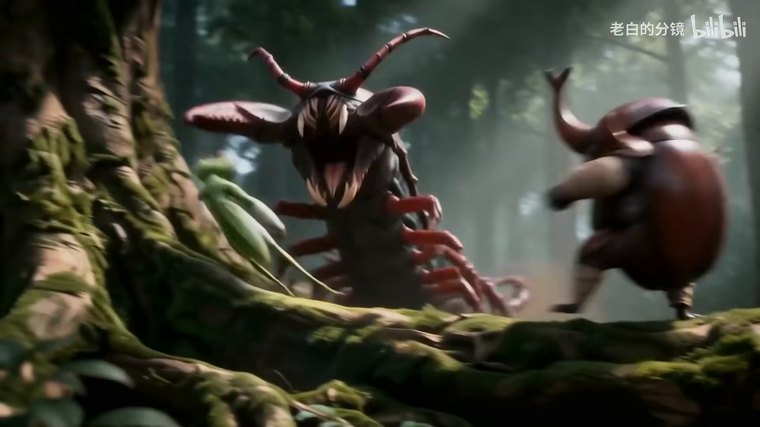
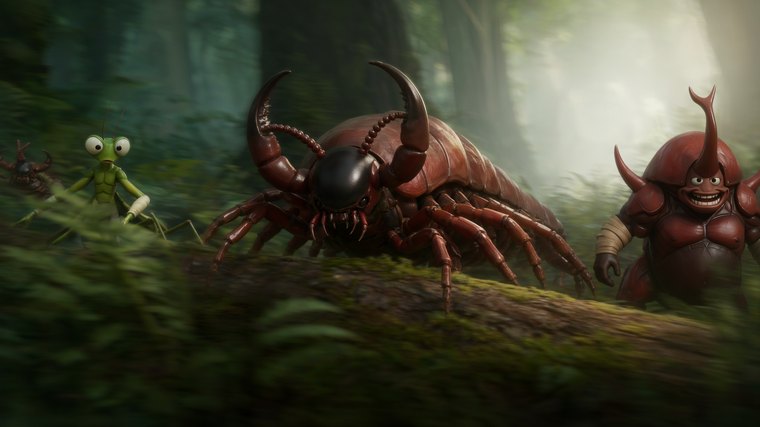
<image 1> is the LOCATION: keep its forest environment, palette and light mood; do not copy its exact framing — recompose as described below. <image 2> shows the green praying mantis warrior (slender green body, thin insect limbs, white bandage wraps on forearms, large white compound eyes, orange antennae): the character in <image 2> MUST appear as exactly this same character — same face, same colors, same proportions. This reference provides identity only; do NOT copy its pose, turnaround-sheet layout, gray background or lighting. <image 3> shows the rhino beetle warrior (glossy reddish-brown armored shell, large double-pronged curved horn on head, beige bandage wraps on forearms, big expressive eyes): the character in <image 3> MUST appear as exactly this same character — same face, same colors, same proportions. This reference provides identity only; do NOT copy its pose, turnaround-sheet layout, gray background or lighting. <image 4> shows the giant red-brown centipede monster (long segmented body with glossy armor plates, red antennae, many spiny legs, huge body far larger than the warriors): the character in <image 4> MUST appear as exactly this same character — same face, same colors, same proportions. This reference provides identity only; do NOT copy its pose, turnaround-sheet layout, gray background or lighting. Medium-wide/full two-shot of both warriors on a mossy fallen log with the centipede's head mid-background behind them; camera at roughly the mantis torso height, eye-level to slightly low; shot from behind both warriors toward the approaching centipede (a rear two-shot, not a tight OTS); shallow-moderate DOF, warriors mostly sharp, centipede and forest defocused. Set in a mossy woodland path. Mantis stands at the left-third vertical line, ~30-42% horizontal and ~28-62% vertical, ~8-10% of frame area, on the mossy log. Beetle occupies right-of-center, ~55-78% horizontal and ~15-90% vertical, ~15-18% of frame area, on the same log near the right-third line. Centipede head sits dead center ~45-55% horizontal in the upper-middle zone, blurred, ~8-10% of frame. The mossy log/root system spans the bottom third, rising from lower-right toward mid-left; large blurred leaves fill the bottom-left corner; hazy trunks and canopy fill the top; top-right; bottom-center. Moss-covered fallen log/root system crossing the bottom third on a diagonal, green moss over brown bark, in moderate focus, occluding the centipede's lower body, legs and mouth area. Bottom-left corner: large dark-green leaves in strong defocus, occluding near ground. Nothing else intrudes over the characters. Tall vertical forest trunks fading into haze; volumetric god rays lean through the canopy from upper-left-center; mist hangs between trunks; distant foliage shows soft circular bokeh upper-left; background heavily defocused beyond the centipede. Lighting: Soft dappled daylight from upper-left-behind the trees (backlight/side-backlight) with visible volumetric beams; rim light on the mantis's head screen-right edge, along the beetle's shell top edges, and on the centipede's head top; soft contact shadows under both warriors on the log, falling slightly toward camera; strong specular highlights on the beetle shell and centipede carapace. The overall composition keeps this palette: dominant greens (moss and forest) and brown/red-browns (beetle shell, bark, centipede plates); accents of white/cream (bandages), muted teal-gray fog, and warm highlight tones on shell speculars. 3D animation film still, Pixar-level rendering, cinematic shallow depth of field. No readable text anywhere in the frame.


<image 1> is the LOCATION: keep its forest environment, palette and light mood; do not copy its exact framing — recompose as described below. <image 2> shows the green praying mantis warrior (slender green body, thin insect limbs, white bandage wraps on forearms, large white compound eyes, orange antennae): the character in <image 2> MUST appear as exactly this same character — same face, same colors, same proportions. This reference provides identity only; do NOT copy its pose, turnaround-sheet layout, gray background or lighting. <image 3> shows the rhino beetle warrior (glossy reddish-brown armored shell, large double-pronged curved horn on head, beige bandage wraps on forearms, big expressive eyes): the character in <image 3> MUST appear as exactly this same character — same face, same colors, same proportions. This reference provides identity only; do NOT copy its pose, turnaround-sheet layout, gray background or lighting. <image 4> shows the giant red-brown centipede monster (long segmented body with glossy armor plates, red antennae, many spiny legs, huge body far larger than the warriors): the character in <image 4> MUST appear as exactly this same character — same face, same colors, same proportions. This reference provides identity only; do NOT copy its pose, turnaround-sheet layout, gray background or lighting. Medium-wide action frame with a fast camera pan/whip-pan: strong horizontal motion-blur streaks run across the frame, worst on the left and background; slightly low angle; short-telephoto feel with heavy background defocus; all three characters are now in violent motion versus the static the first frame baseline. Set in a mossy woodland path. TERMINAL STATE of the same shot: identical framing, foreground and lighting — only the character states differ as specified below. Shared scene baseline (same log/jungle arena as the first frame) with the action redistributed: mantis at far left, bounding box x 0-22%, y 35-80%, cropped by the left edge and occluded by the log, near the left-third/bottom-third intersection. Centipede dominates center: bounding box x 28-75%, y 8-85%, head mass at x 38-58%, y 18-55% near the center-left third intersection, now much larger and closer than in the first frame. Beetle at right: x 72-100%, y 15-85%, straddling the right-third line, cropped by the right edge. The mossy log still runs the bottom third as a diagonal; bright mist blooms in the upper-right quadrant; top-right. Mossy fallen log diagonal across the lower frame with moss clumps, slightly motion-blurred, occluding the mantis's dive path and the centipede's lower body. Blurred fern/leaf fronds lower-left; horizontal motion-blur streaks cross the whole lower frame; bottom edge dark. Misty jungle: tall dark trunks and defocused canopy with soft bokeh light patches; bright volumetric haze concentrated in the upper-right and center-right; shallow DOF; everything beyond the log reduced to smeared greens and teal-gray mist. Lighting: Soft diffused canopy daylight, key reading from the upper-right bright mist (shifted from the first frame's upper-left reading); rim light catches the centipede's antennae and head-shield top and the beetle's shell edges; shadows soft and unhard; warm highlights against cool green-teal shadow tones. The overall composition keeps this palette: deep greens and teal-gray mist dominant; dark maroon/oxblood for the centipede, rusty mahogany for the beetle shell, sage/olive for the mantis; ivory/bone-white accents (fangs, bandages), orange-red antennae, plus a warm light bloom top-right. 3D animation film still, Pixar-level rendering, cinematic shallow depth of field. No readable text anywhere in the frame.


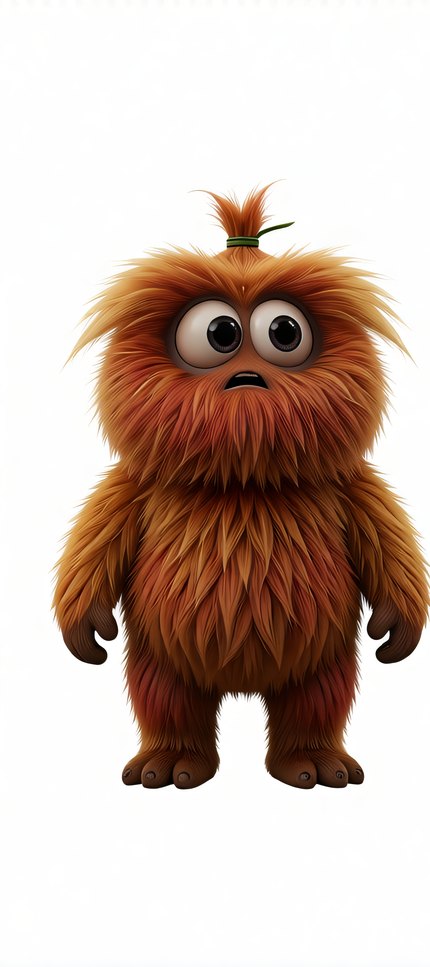
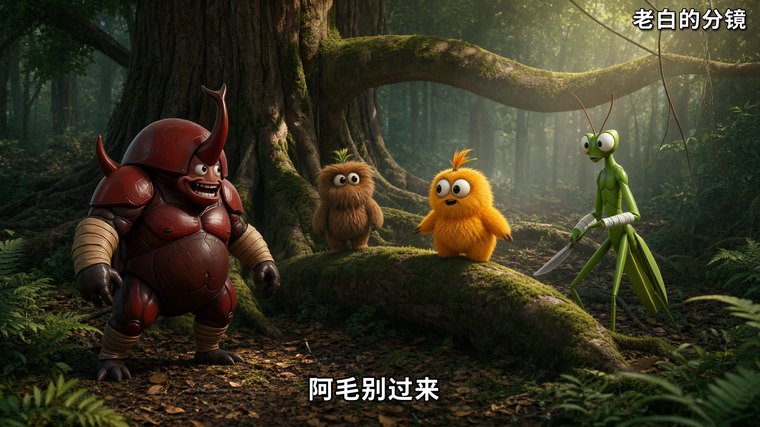
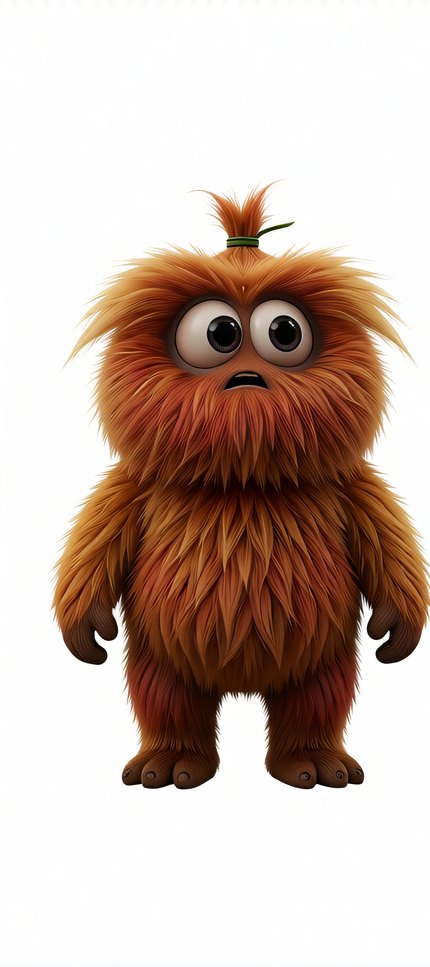
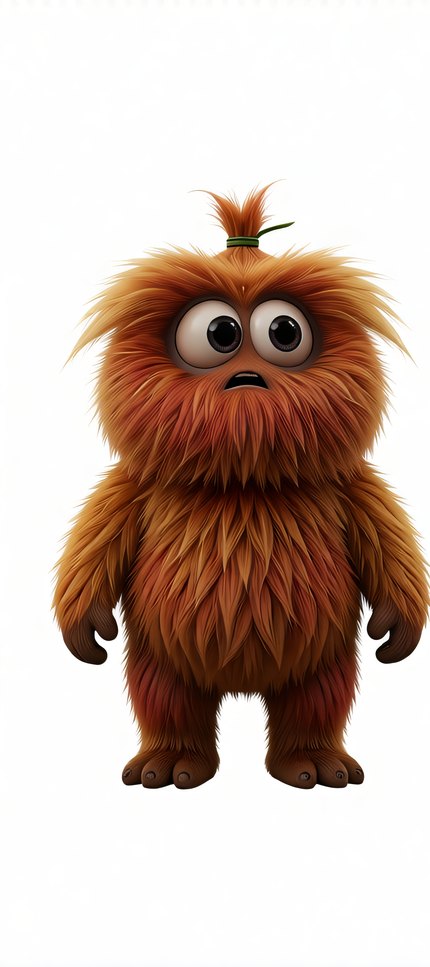
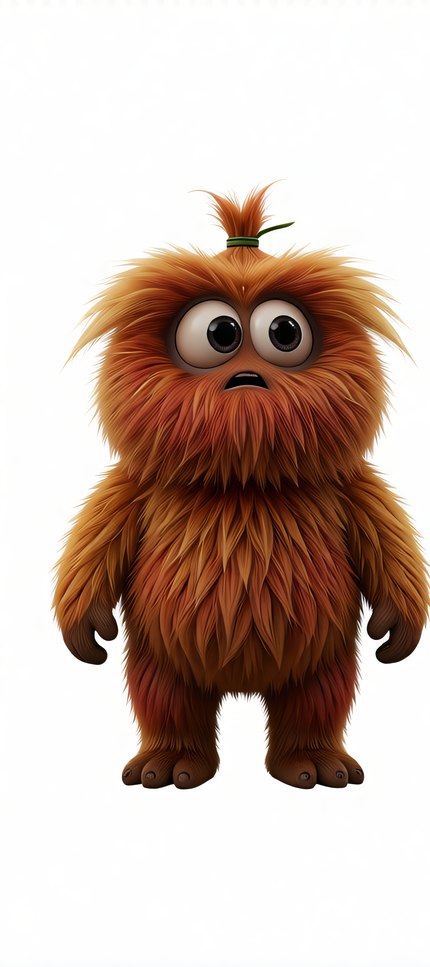
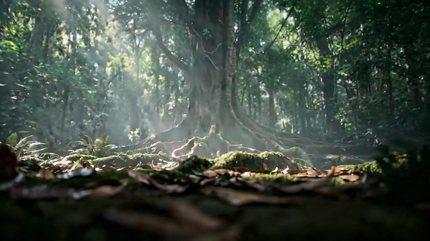
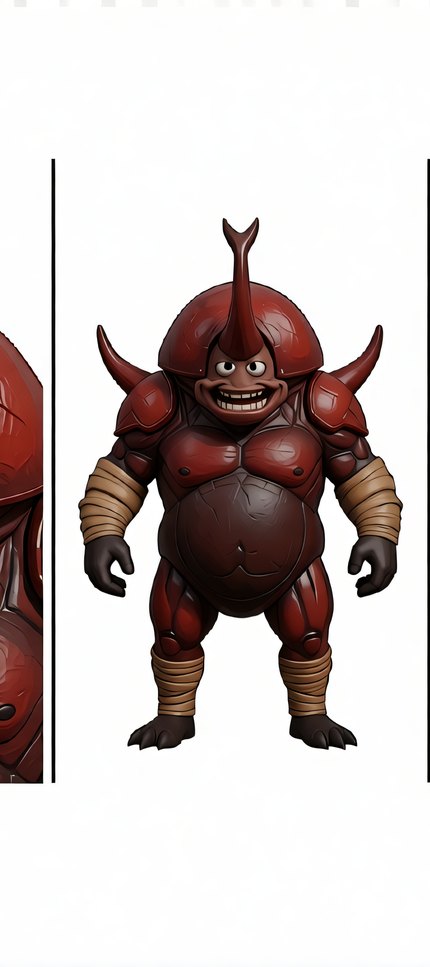
<image 1> is the LOCATION: keep its forest environment, palette and light mood; do not copy its exact framing — recompose as described below. <image 2> shows the rhino beetle warrior (glossy reddish-brown armored shell, large double-pronged curved horn on head, beige bandage wraps on forearms, big expressive eyes): the character in <image 2> MUST appear as exactly this same character — same face, same colors, same proportions. This reference provides identity only; do NOT copy its pose, turnaround-sheet layout, gray background or lighting. <image 3> shows the small orange-yellow fuzzy caterpillar child (round fluffy body, stubby limbs, single green sprout on top of head, big expressive eyes): the character in <image 3> MUST appear as exactly this same character — same face, same colors, same proportions. This reference provides identity only; do NOT copy its pose, turnaround-sheet layout, gray background or lighting. <image 4> shows the green praying mantis warrior (slender green body, thin insect limbs, white bandage wraps on forearms, large white compound eyes, orange antennae): the character in <image 4> MUST appear as exactly this same character — same face, same colors, same proportions. This reference provides identity only; do NOT copy its pose, turnaround-sheet layout, gray background or lighting. Full-to-medium-long establishing shot with all three characters in one frame; normal ~35-50mm lens look with mild background depth blur; camera placed low at insect ground/knee height with a slight low-angle perspective; widescreen; deep focus on characters, hazy atmospheric depth behind; Pixar-like high-quality stylized 3D render. Set in a dark primeval forest floor. Colossal mossy buttress-root tree trunk anchors the left edge (~25% of frame width); rhino beetle stands lower-left on the left-third line; green mantis stands on the right-third line on leaf litter; a thick fallen moss-covered log arcs as a diagonal leading line from center-left up to mid-right (~15% of area); the caterpillar child peeks over the log's top edge at upper-right-center, around x=62%, y=40%, near the upper-right third intersection; forest floor with leaf litter occupies the lower ~25%; receding hazy forest fills ~40% of frame; gaze flow runs beetle (facing right) -> log -> mantis (facing left), with the log diagonal guiding the eye; no open sky; implied horizon hidden behind midground vegetation. The rhino beetle warrior: Lower-left third, standing on the forest floor in front of the giant tree roots, roughly 10-12% of frame area; stout bipedal build with a big glossy russet/chestnut red-brown carapace over the back; large curved cephalic horn pointing up-forward plus a smaller pronotum spike; big white cartoon eyes with dark pupils; mouth wide open in a laughing grin showing upper teeth; beige bandage wraps on both forearms and shins; thick dark three-toed feet; body in three-quarter view facing right toward the mantis, arms bent in a mid-laugh gesture. The small orange-yellow fuzzy caterpillar child: Mid-background right-center, peeking over the top edge of the mossy log at about y=40%; only head and fuzzy shoulders visible above the log line, roughly 1-2% of frame area; bright orange-amber fluffy round body with soft fur texture; big white eyes with dark pupils watching the two larger characters; an orange swirl tuft on top of the head; a green sprout at this size is unclear. The green praying mantis warrior: Right third of frame, standing upright on leaf litter, roughly 5-6% of frame area; tall slender mid-green bipedal mantis with elongated limbs and lighter green underbelly; triangular head with large pale green-white eyes looking left toward the beetle; two thin orange antennae; white bandages wrapped around forearms and waist; gripping a gray metallic machete-like blade in both raptorial forelimbs, edge pointing down-left; slight forward lean, in profile/three-quarter facing left. Bottom edge of forest floor with warm brown/tan fallen dry leaves in focus; small fern fronds in the lower-right corner; darker leaves, vines and mossy roots in the lower-left corner; white '哈哈哈' with black outline overlaid bottom-center (post overlay, not scene content). Left: colossal ancient tree trunk with dark bark and moss patches, buttress roots spreading to the ground, extending past the top of frame; center-right: thick fallen dead log fully coated in bright green moss, arching like a bridge with ferns growing under its arch; behind: many tall straight receding tree trunks in atmospheric mist, hanging vines/roots upper-right, canopy leaves above; no open sky visible, bright haze implies canopy-filtered daylight. Lighting: Warm sun backlight/rim light from upper-right rear filtering through the canopy; volumetric god rays visible in the misty center-right background; soft rim highlights on the right edges of all three characters; front-facing surfaces sit in even soft ambient with green foliage bounce; soft contact shadows under feet in the leaf litter; slightly darker lower-left corner gives a gentle vignette. The overall composition keeps this palette: saturated yellow-green moss (mid value), deep desaturated forest greens and dark teal-green shadow foliage; warm sienna/umber leaf litter and mid-dark brown bark; beetle shell russet red-brown (~#7a3b22) with glossy specular highlights; mantis mid-green body with white bandages and orange antenna accents; caterpillar bright orange fur as the highest-saturation accent; beige/cream bandages; pale warm white-yellow haze in the background; background low-contrast and hazy, foreground characters higher contrast. 3D animation film still, Pixar-level rendering, cinematic shallow depth of field. No readable text anywhere in the frame.


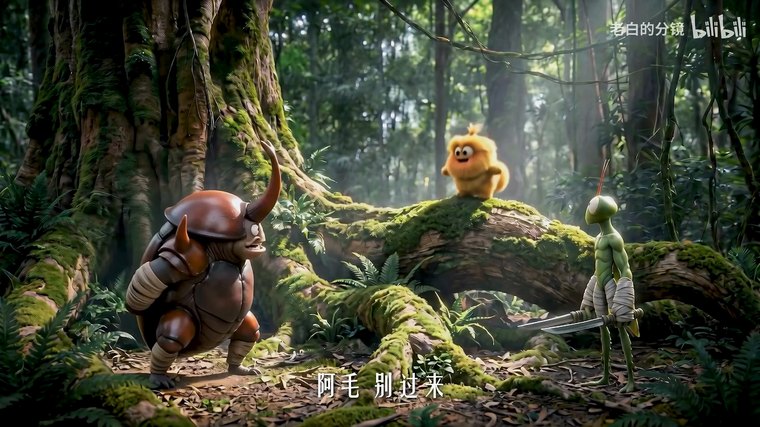
<image 1> is the LOCATION: keep its forest environment, palette and light mood; do not copy its exact framing — recompose as described below. <image 2> shows the rhino beetle warrior (glossy reddish-brown armored shell, large double-pronged curved horn on head, beige bandage wraps on forearms, big expressive eyes): the character in <image 2> MUST appear as exactly this same character — same face, same colors, same proportions. This reference provides identity only; do NOT copy its pose, turnaround-sheet layout, gray background or lighting. <image 3> shows the small orange-yellow fuzzy caterpillar child (round fluffy body, stubby limbs, single green sprout on top of head, big expressive eyes): the character in <image 3> MUST appear as exactly this same character — same face, same colors, same proportions. This reference provides identity only; do NOT copy its pose, turnaround-sheet layout, gray background or lighting. <image 4> shows the green praying mantis warrior (slender green body, thin insect limbs, white bandage wraps on forearms, large white compound eyes, orange antennae): the character in <image 4> MUST appear as exactly this same character — same face, same colors, same proportions. This reference provides identity only; do NOT copy its pose, turnaround-sheet layout, gray background or lighting. Same full/medium-full three-character wide shot as the shot's first frame; ~24-35mm equivalent wide lens with mild wide-angle depth; camera low, near character chest/ground height, slight low angle; characters staged at three depths (beetle foreground-left, caterpillar midground on log, mantis midground-right); widescreen. Set in a dark primeval forest floor. TERMINAL STATE of the same shot: identical framing, foreground and lighting — only the character states differ as specified below. Left third: giant tree trunk with buttress roots plus the beetle (body about x=17-35%, y=42-95%); center: mossy log arcs across the frame, caterpillar standing on its summit around x=55-65%, y=28-45%, near the upper-center/right intersection; right third: mantis upright at about x=74-82%, y=42-95%; tree+roots ~25-30% of frame area, log ~15%, beetle ~8-10%, caterpillar ~5%, mantis ~5%, background forest ~40%, floor ~10%; '阿毛 别过来' overlaid bottom-center; '老白的分镜 ' top-right (post overlays). The rhino beetle warrior: Lower-left in front of the giant tree roots; head turned toward the log/caterpillar with mouth open as if shouting a warning; slightly crouched, leaning forward in a protective/defensive stance; russet red-brown glossy carapace, long curved cephalic horn plus a smaller forward-pronotum spike; white eyes with small pupils; beige bandage wraps on forearms; dark segmented legs with clawed feet; three-quarter view facing right. The small orange-yellow fuzzy caterpillar child: Now fully visible standing on the summit of the mossy log arc, midground center-right; small round fluffy orange-yellow body with big white eyes and black pupils; open cheerful smile, tiny arms slightly spread; facing front-left toward the beetle; orange swirl tuft on top of the head; the green sprout is subtle/unclear at this scale; rim-lit fur glows against the bright haze behind. The green praying mantis warrior: Right third, unchanged upright slender stance on the forest floor; triangular head with large white compound eyes looking left toward the beetle; thin orange-red antennae; white bandages on forearms; holding the gray single-edge blade with both forelimbs, tip pointing down-left; profile/three-quarter facing left. Forest-floor leaf litter along the bottom edge; ferns in the lower-left and lower-right corners; a thin hanging vine/twig crosses the upper-right area; deep focus, characters and near ground mostly sharp. Giant buttress-root tree trunk filling the left portion up past the top of frame; fallen moss-covered log arcing through the center with the caterpillar on its crest; receding straight trunks in misty depth behind, ferns and hanging vines on the right, canopy light above; ground plane of moss, ferns and leaf litter. Lighting: Warm sunlight filters from upper-right rear through the canopy, consistent with the first frame; strong rim light makes the caterpillar's fur glow against the haze; volumetric rays between background trunks; cooler ambient in shadow; soft subtle shadows under characters on the ground. The overall composition keeps this palette: saturated yellow-green moss, dark background greens, fern greens; warm mid-dark bark browns and tan leaf litter; beetle russet red-brown with glossy highlights; beige/cream bandages; caterpillar orange-yellow as the brightest high-saturation accent; mantis mid-green with white eyes/bandages and orange antenna accents; pale warm white-yellow atmospheric haze. 3D animation film still, Pixar-level rendering, cinematic shallow depth of field. No readable text anywhere in the frame.


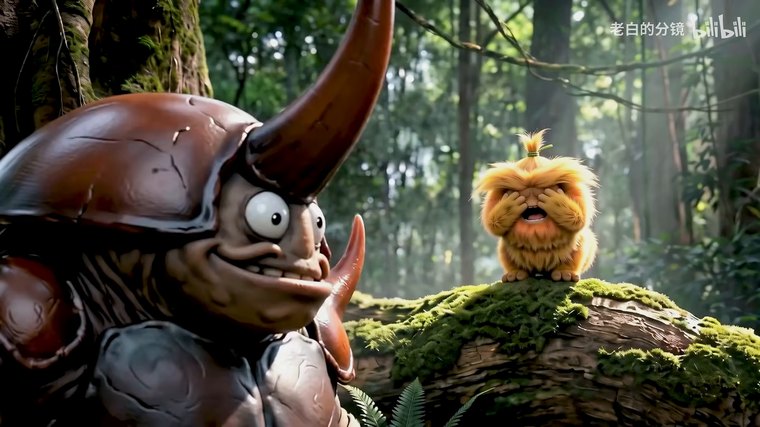
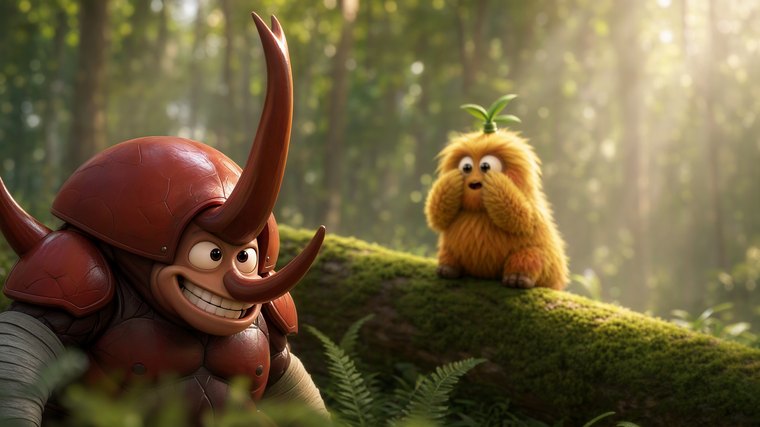
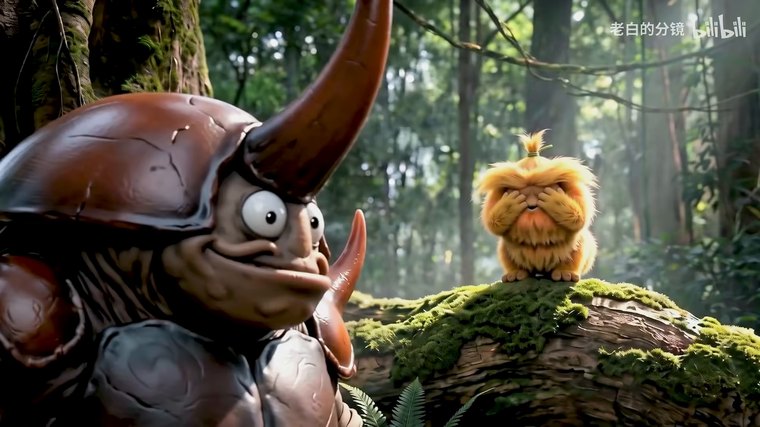
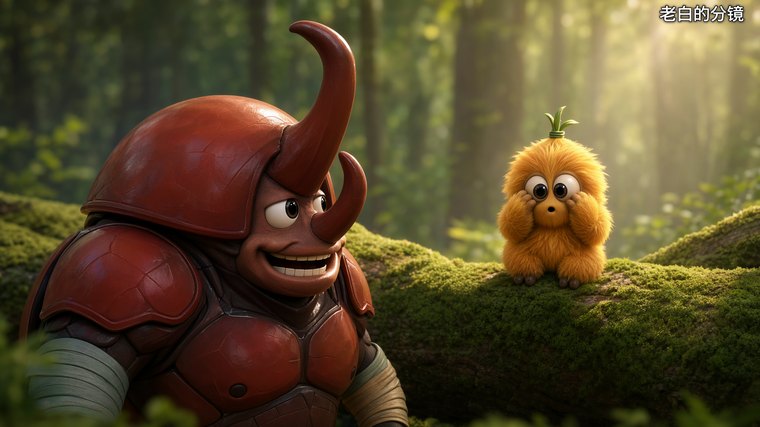
<image 1> is the LOCATION: keep its forest environment, palette and light mood; do not copy its exact framing — recompose as described below. <image 2> shows the rhino beetle warrior (glossy reddish-brown armored shell, large double-pronged curved horn on head, beige bandage wraps on forearms, big expressive eyes): the character in <image 2> MUST appear as exactly this same character — same face, same colors, same proportions. This reference provides identity only; do NOT copy its pose, turnaround-sheet layout, gray background or lighting. <image 3> shows the small orange-yellow fuzzy caterpillar child (round fluffy body, stubby limbs, single green sprout on top of head, big expressive eyes): the character in <image 3> MUST appear as exactly this same character — same face, same colors, same proportions. This reference provides identity only; do NOT copy its pose, turnaround-sheet layout, gray background or lighting. Layered two-shot: foreground rhino beetle in head-and-shoulder medium-close-up (head nearly half the frame height on the left), background caterpillar child in far full shot sitting on the mossy log (~1/5 of frame height); ~85-135mm telephoto compression pulls the two planes together; camera at the beetle's eye height with a slight upward tilt toward the caterpillar; shallow depth of field: beetle face sharp, background melted into creamy circular bokeh; the beetle's own lower body edge and bottom ferns fall out of focus as near-foreground. Set in a lush sunlit green forest. Diagonal composition: the mossy log runs from lower-left to mid-right as the main leading line; beetle's eyes sit near the upper-left third intersection; caterpillar sits near the upper-right third intersection as the second anchor; beetle plus its dark shoulder mass occupy ~35-40% of frame area in the lower-left; caterpillar ~6-8%; log ~15%; blurred forest ~40%; the beetle's gaze line to the caterpillar forms the connective diagonal; foreground head slightly overlaps the midground log's left end. The rhino beetle warrior: Foreground left, head and shoulder cropped by the left and bottom frame edges; glossy red-brown elytra with fine crack lines and strong specular highlights (~#5a2f1f-#7a3b22); huge curved cephalic horn rising from the head with an orange-brown-to-dark-red gradient, tip hooking back; a smaller fork tine near the mouth pointing up-right; large white cartoon eyes with small black pupils looking right, brows raised, wide amused toothy smile; gray-green fibrous bandage wrap (~#6b6f6d) over the shoulder/chest with a ball-joint visible at the left edge. The small orange-yellow fuzzy caterpillar child: Midground right, sitting on top of the mossy log; round body of long fluffy golden-yellow fur (~#e8b24a) with orange lower body and cheek tones (~#d97f2a); a single green sprout with two leaves tied by a grass ring on top of the head (~#7ac142); both front paws covering the eyes in a peek-a-boo pose, mouth open in a laugh; small dark paws/feet resting on the moss in front; body angled toward the camera/beetle. Out-of-focus fern tips intruding along the bottom edge; the beetle's own soft-focus shoulder mass and gray bandage fill the lower-left near-foreground; heavy bokeh on both. Heavily blurred forest: tall straight trunks, green canopy masses, warm white volumetric god rays slanting from upper right, creamy circular bokeh highlights; the mossy log's top edge runs slightly soft under the caterpillar; no sky detail readable through the haze. Lighting: Warm key sun from upper-right/behind; glowing rim light passes through the caterpillar's fur edges and clips the beetle's horn and shell tops; volumetric rays fill the background haze; faces are lit by soft warm bounce; small contact shadows under the caterpillar's feet on the moss. The overall composition keeps this palette: red-brown shell with glossy highlights, orange-brown horn gradient, cream/pinkish mouth-area skin (~#c99a7a), white eyes with black pupils, gray-green bandage (~#6b6f6d); saturated moss greens (~#4a7a2a-#6fae3a), warm log bark brown (~#7a5b3a); golden-yellow fur with orange accents, sprout green; desaturated background greens (~#4d6b45) under warm white haze; background high-key and low-contrast, foreground characters richer and higher contrast. 3D animation film still, Pixar-level rendering, cinematic shallow depth of field. No readable text anywhere in the frame.


<image 1> is the LOCATION: keep its forest environment, palette and light mood; do not copy its exact framing — recompose as described below. <image 2> shows the rhino beetle warrior (glossy reddish-brown armored shell, large double-pronged curved horn on head, beige bandage wraps on forearms, big expressive eyes): the character in <image 2> MUST appear as exactly this same character — same face, same colors, same proportions. This reference provides identity only; do NOT copy its pose, turnaround-sheet layout, gray background or lighting. <image 3> shows the small orange-yellow fuzzy caterpillar child (round fluffy body, stubby limbs, single green sprout on top of head, big expressive eyes): the character in <image 3> MUST appear as exactly this same character — same face, same colors, same proportions. This reference provides identity only; do NOT copy its pose, turnaround-sheet layout, gray background or lighting. Same medium-close layered two-shot as the shot's first frame: beetle head-and-shoulder dominates the left (~45% of frame width), caterpillar sits far on the log at right; ~85-135mm telephoto look, camera at beetle eye level; shallow depth of field with strong background blur; whether the camera pushed in relative to the first frame is unclear. Set in a lush sunlit green forest. TERMINAL STATE of the same shot: identical framing, foreground and lighting — only the character states differ as specified below. Beetle occupies the left ~45%, cropped by left and bottom edges; caterpillar sits near the upper-right third intersection; the mossy log slopes diagonally from center toward the upper right; beetle ~35-40% of frame area, caterpillar ~6-8%, log ~15%, blurred forest ~40%; eyeline diagonal still runs from the beetle's eyes to the caterpillar; '老白的分镜 ' top-right (post overlay). The rhino beetle warrior: Left foreground, same pose family as the first frame; big white eyes with small black pupils looking right, brows raised, wide friendly smile; huge horn curving up with the tip hooked back plus the smaller tine below near the mouth; glossy cracked red-brown shell with rim highlights; gray-green bandage wrap around the shoulder/chest with an exposed ball-and-socket joint at the left edge. The small orange-yellow fuzzy caterpillar child: Sitting on the mossy log at mid-right; fluffy golden-yellow fur with orange cheek/lower tones; both paws still covering the eyes (eye state hidden, unclear); mouth now a small closed 'o' shape between the paws; two-leaf green sprout tied with a grass ring on the head; small dark paws/feet visible on the moss in front; fur edges glow with warm rim light. The beetle's near shoulder and gray bandage mass lower-left, slightly soft; out-of-focus dark foliage along the bottom edge. Creamy bokeh forest with tall blurred trunks and green canopy; warm god rays slanting from upper right; mossy log in mid focus carrying the caterpillar; background greens desaturated under warm haze. Lighting: Warm key from upper-right/behind, consistent with the first frame; glowing rim through the fur, rim highlights on the shell top and horn; volumetric rays in the haze; soft contact shadows under the caterpillar on the moss. The overall composition keeps this palette: same family as the first frame: red-brown shell (~#5a2f1f-#7a3b22), orange-brown horn gradient, cream mouth area, white/black eyes, gray-green bandage (~#6b6f6d), saturated moss greens (~#4a7a2a-#6fae3a), warm bark brown (~#7a5b3a), golden fur (~#e8b24a) with orange (~#d97f2a), sprout green (~#7ac142), desaturated background greens (~#4d6b45) and warm white haze. 3D animation film still, Pixar-level rendering, cinematic shallow depth of field. No readable text anywhere in the frame.